
Chimney Repair in East Texas:
Protecting Homes From Chimney Leaks, Fire Hazards & Water Damage Since 2010
When you need chimney repair in East Texas, you need experts who understand our region’s unique challenges. Texas Chimney Repair provides honest, professional chimney repair East Texas services throughout Marshall, Longview, Jefferson, and Harrison County. Our CSIA-trained technicians fix leaks, repair crowns, restore masonry, and solve chimney problems permanently—protecting your home and family from water damage and fire hazards.
Our chimney repair in East Texas services include:
✅ Chimney leak repair in East Texas – Stop water damage before it spreads
✅ Fire safety inspections – Prevent chimney fires and carbon monoxide risks
✅ Masonry restoration – Fix cracks, spalling brick, deteriorating mortar
✅ Fireplace repairs – Restore safe, efficient operation
WHY HOMEOWNERS TRUST TEXAS CHIMNEY REPAIR IN EAST TEXAS
—
When it comes to your home’s chimney system, you need more than quick fixes—you need honest answers, skilled craftsmanship, and repairs that last. That’s exactly what Texas Chimney Repair delivers. Here’s why homeowners from Marshall to Longview, Jefferson to Kilgore choose us for their chimney and fireplace needs:

1. Honest Recommendations—No Upselling, Just Solutions
We’ve all heard the horror stories: a homeowner calls for a simple chimney inspection and gets pressured into thousands of dollars of unnecessary repairs. That’s not how we operate.
At Texas Chimney Repair, we believe in transparency. When our CSIA-trained technicians inspect your chimney, you’ll receive a detailed written assessment explaining exactly what’s wrong, what needs immediate attention, and what can wait. We’ll never recommend work you don’t need.
Our commitment:
✓ Free, no-obligation inspections
✓ Written estimates with photos
✓ Clear explanations in plain language
✓ Honest timelines for repairs
✓ Options for every budget
Whether you need a minor chimney crown repair or a complete chimney rebuild, we’ll give you the facts so you can make an informed decision. Many customers tell us we’re the first chimney company that actually explained what was happening—and why.
LEARN MORE ABOUT OUR PROCESS →

2. Safety-First Chimney Inspections Following NFPA Standards
Your chimney’s job is to safely remove dangerous smoke, heat, and carbon monoxide from your home. When chimneys develop cracks, blockages, or structural damage, your family’s safety is at risk.
Our chimney inspections follow the National Fire Protection Association (NFPA) 211 standards—the gold standard for chimney safety. We perform three levels of inspection depending on your needs:
Level 1 Inspection: Routine safety check for regularly used chimneys
Level 2 Inspection: Required after storms, home sales, or system changes
Level 3 Inspection: Detailed structural investigation for hidden damage
During every inspection, we check for:
- Creosote buildup (leading cause of chimney fires)
- Cracks in the flue liner
- Damaged chimney crowns
- Failed flashing and water intrusion
- Spalling brick and mortar deterioration
- Blockages from animals or debris
- Draft problems and smoke issues
- Carbon monoxide risks
East Texas homeowners face unique challenges—high humidity, severe storms, and temperature fluctuations that accelerate chimney deterioration. Our inspections are specifically designed to catch the problems most common to our region before they become dangerous or expensive.

3. Master Masonry Expertise for Brick & Stone Chimneys
A chimney isn’t just a metal pipe—it’s a complex masonry structure that requires specialized skills to repair correctly. Poor masonry work leads to ongoing leaks, structural instability, and costly rebuilds down the road.
Our team includes experienced masonry craftsmen who understand the unique construction of chimneys. We don’t just patch problems—we rebuild them correctly using proven techniques and quality materials designed for the East Texas climate.
Our masonry services include:
- Tuckpointing and mortar joint repair
- Spalling brick replacement
- Chimney crown rebuilding
- Stone chimney restoration
- Historic chimney preservation
- Structural chimney stabilization
- Full chimney rebuilds from the roofline up
We’ve restored everything from historic brick chimneys in Jefferson’s Victorian homes to modern masonry fireplaces in Longview’s newer subdivisions. Whether your chimney needs minor repointing or a complete reconstruction, we have the skills and materials to do it right.
Quality materials matter: We use weather-resistant mortar specifically formulated for chimney applications, premium flashing materials, and masonry products designed to withstand East Texas’s humidity, rain, and temperature swings.
VIEW MASONRY SERVICES →

4. Fast, Local Service Throughout East Texas
When you discover a chimney leak during a rainstorm or smell smoke in your living room, you can’t wait weeks for an appointment. Texas Chimney Repair is locally based right here in East Texas, which means we can respond quickly when you need us.
Same-week appointments available—In most cases, we can schedule your inspection or repair within days, not weeks.
Emergency services—If you’re experiencing active leaks, smoke problems, or fire safety concerns, we offer emergency response to protect your home and family.
We’re your neighbors—Our team lives and works in East Texas. We understand local building styles, weather challenges, and the specific chimney problems common to our area. When you call us, you’re supporting a local business that’s invested in this community.
Our primary service area includes:
- Marshall and Harrison County
- Longview and Gregg County
- Jefferson and Marion County
- Kilgore and western Rusk County
- Hallsville, Scottsville, and Karnack
- Waskom, Uncertain, and surrounding communities
- Lakefront properties on Caddo Lake and Lake O’ the Pines
No matter where you’re located in East Texas, we’re close enough to provide responsive, reliable service.

5. Insurance Claim Assistance for Storm Damage
East Texas weather can be brutal on chimneys. High winds, hail, lightning strikes, and severe storms can crack chimney crowns, damage flashing, knock caps loose, and even cause structural chimney damage.
If your chimney was damaged in a storm, we’ll help you navigate the insurance claim process:
Documentation: We provide detailed photo documentation and written assessments your insurance company needs
Direct communication: We’ll work directly with your adjuster to explain the damage and necessary repairs
Accurate estimates: Our written estimates break down materials and labor so there are no surprises
Code compliance: All repairs meet or exceed building codes and NFPA safety standards
We’ve helped dozens of East Texas homeowners successfully claim chimney repairs after storms, wind damage, and lightning strikes. Our goal is to make the process as smooth as possible so you can get your chimney repaired quickly and correctly.

6. Long-Term Repair Solutions—Not Temporary Band-Aids
Quick fixes might be cheaper upfront, but they rarely last. When water keeps leaking or bricks keep falling, you end up spending more money—and dealing with more headaches—in the long run.
Texas Chimney Repair focuses on permanent solutions. We identify the root cause of your chimney problems and fix them correctly the first time using proven methods and quality materials.
Examples of our long-term approach:
Chimney leaks: Instead of applying temporary sealants, we properly rebuild damaged crowns, replace failed flashing, and waterproof masonry using breathable sealers that last for years.
Spalling brick: Rather than just repointing the mortar, we address underlying water intrusion issues and replace damaged bricks with matching materials.
Draft problems: We don’t just install a bigger chimney cap—we investigate flue sizing, blockages, and structural issues that cause smoke to enter your home.
Creosote buildup: Beyond sweeping, we inspect for cracks and gaps that allow creosote to ignite and recommend preventive measures like chimney caps and regular maintenance.
Our repairs come with clear warranties, maintenance recommendations, and honest timelines. We want your chimney to work safely and efficiently for decades—not just until the next rainstorm.
LEARN MORE ABOUT OUR SERVICES →
WHY CHIMNEY REPAIR IN EAST TEXAS IS CRITICAL
—
East Texas is a beautiful place to call home—but our climate creates unique challenges for chimney systems. High humidity, frequent rainstorms, temperature fluctuations, and severe weather all accelerate chimney deterioration. Understanding these regional risks helps explain why regular chimney maintenance isn’t optional—it’s essential.
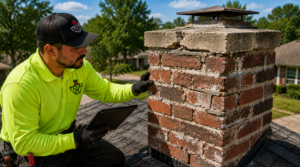
High Humidity & Moisture Damage
East Texas consistently ranks among the most humid regions in the country. While our humidity keeps the landscape green, it wreaks havoc on masonry chimneys.
How humidity damages chimneys:
Brick and mortar are porous materials. When humidity is high, they absorb moisture from the air. During cooler nights or winter months, that moisture can freeze, expand, and crack the masonry from the inside out.
This process—called freeze-thaw damage—weakens brick and mortar over time. You’ll notice:
- Spalling brick (flaking, crumbling brick faces)
- Cracked mortar joints
- White staining (efflorescence) on brick
- Crumbling chimney crowns
- Loose or missing bricks
Prevention: Professional chimney waterproofing creates a breathable barrier that repels water while allowing the masonry to dry. We use vapor-permeable sealers specifically designed for chimneys—not generic concrete sealers that trap moisture inside.

Heavy Rainfall & Water Intrusion
East Texas receives 45-55 inches of rain annually—well above the national average. When chimneys aren’t properly protected, all that rain finds its way inside.
Common water entry points:
Damaged chimney crowns: The crown is the concrete cap at the top of your chimney. When it cracks, rainwater pours directly into the chimney structure, damaging flue liners, masonry, and even interior walls.
Failed flashing: Flashing is the metal seal between your chimney and roof. When flashing deteriorates or pulls away, water runs down the outside of the chimney and into your attic or living space.
Missing chimney caps: A chimney cap is your first line of defense against rain. Without one, water flows directly down the flue, causing rust, creosote buildup, and water damage.
Deteriorated masonry: Once brick and mortar start to break down, water penetrates deeper into the chimney structure, causing accelerating damage.
Signs of chimney water damage:
- Water stains on ceilings or walls near the fireplace
- Musty odors from the fireplace
- Rust on the damper or firebox
- White staining on exterior brick
- Wallpaper peeling near the chimney
- Visible cracks in the chimney crown
- Standing water in the firebox after rain
The danger: Water damage doesn’t just ruin masonry—it creates mold, rots wood framing, damages drywall, and can compromise your home’s structural integrity. Early intervention with proper chimney leak repair saves thousands in future damage.
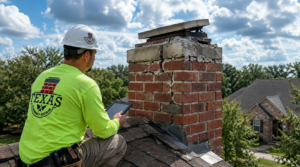
Severe Storms & Wind Damage
East Texas sits in a region prone to severe thunderstorms, high winds, hail, and occasional tornadoes. These weather events can cause sudden, significant chimney damage.
Storm-related chimney damage includes:
- Cracked or shattered chimney crowns
- Blown-off chimney caps
- Damaged or missing flashing
- Lightning strikes causing structural cracks
- Fallen tree limbs impacting the chimney
- Wind-driven rain forcing water into hidden cracks
- Tilted or leaning chimneys from foundation shifts
After major storms, we see a surge in calls from homeowners who discovered leaks, noticed visible damage, or heard unusual sounds from their chimneys. Even if damage isn’t immediately visible, NFPA recommends a Level 2 chimney inspection after any significant weather event to check for hidden structural damage.

Temperature Fluctuations & Thermal Stress
East Texas experiences significant temperature swings—hot, humid summers followed by freezing winter nights. These fluctuations create thermal stress on chimney materials.
How temperature changes damage chimneys:
When temperatures drop rapidly, moisture inside masonry freezes and expands. When it warms up, the ice melts and the material contracts. This constant expansion and contraction weakens mortar joints, cracks bricks, and creates gaps where water can enter.
The problem is especially severe for:
- Chimneys with existing cracks or weak mortar
- Older chimneys built with lime-based mortar (common in historic East Texas homes)
- Chimneys that stay damp due to shade or poor drainage
Solution: Regular inspections catch early signs of thermal damage before they become major structural problems. Tuckpointing (repairing mortar joints) and waterproofing significantly extend chimney life.
Unique Challenges for East Texas Home Styles
Our region includes a diverse mix of home styles, each with specific chimney considerations:
Lakefront properties (Caddo Lake, Lake O’ the Pines): Homes near water face even higher humidity and moisture exposure. Chimneys require more frequent waterproofing and inspections.
Historic homes (Jefferson, Marshall): Older homes often feature large masonry chimneys built with outdated materials and methods. These require specialized restoration techniques to preserve historical integrity while meeting modern safety standards.
Ranch properties: Rural homes with wood-burning fireplaces or stoves often have heavily used chimneys requiring regular sweeping to prevent dangerous creosote buildup.
Modern homes: Newer construction sometimes cuts corners on chimney quality or uses prefabricated systems that still require regular inspection and maintenance.
No matter what type of home you own, East Texas’s climate demands proactive chimney care.

Fire Hazards & Safety Risks
Beyond water damage, poorly maintained chimneys create serious fire and carbon monoxide risks.
Chimney fires: Creosote is a highly flammable byproduct of burning wood. When it builds up inside your flue and ignites, the result is a chimney fire that can reach temperatures over 2,000°F—hot enough to crack flue liners, damage masonry, and spread to your home’s structure.
Warning signs of chimney fires:
- Loud roaring or rumbling sounds
- Dense, dark smoke from the chimney top
- Flames or sparks shooting from the chimney
- Intense heat radiating from chimney walls
- Cracked or “puffy” creosote (a sign of previous chimney fires)
Carbon monoxide poisoning: When chimneys develop cracks, blockages, or draft problems, deadly carbon monoxide can back up into your home instead of venting safely outside.
Prevention: Annual chimney sweeps remove dangerous creosote buildup. Professional inspections catch cracks and blockages before they create safety hazards.
Bottom line: East Texas’s climate isn’t just hard on chimneys—it’s one of the toughest environments for masonry structures anywhere in the country. Regular professional maintenance isn’t optional; it’s the only way to protect your home, your investment, and your family’s safety.
COMMON CHIMNEY PROBLEMS WE REPAIR
—
Texas Chimney Repair has seen and fixed just about every chimney problem imaginable. Here are the most common issues we encounter throughout East Texas—and how we solve them permanently.
1. Chimney Leaks
The problem: Chimney leaks are the #1 complaint we hear from East Texas homeowners—and for good reason. A leaking chimney causes water damage that spreads quickly through walls, ceilings, and your home’s structure.
2. Cracked Chimney Crowns
The problem: The chimney crown is the concrete or mortar cap at the very top of your chimney. It’s your chimney’s first line of defense against water—but it’s also one of the most commonly damaged components.
3. Damaged Chimney Flashing
The problem: Flashing is the metal seal where your chimney meets the roof. It’s designed to create a waterproof barrier even as your chimney and roof expand and contract at different rates.
4. Spalling Brick
The problem: Spalling is when brick faces flake, crack, crumble, or pop off completely. It’s one of the most visible signs of chimney damage—and one that homeowners often ignore until it becomes severe.
5. Mortar Deterioration
The problem: Mortar is the material between bricks that holds your chimney together. Over time, weather exposure breaks down mortar faster than brick—creating gaps where water enters and structural stability decreases.
6. Chimney Settlement & Tilting
The problem: A chimney that’s leaning, tilting, or pulling away from the house indicates serious foundation or structural issues.
7. Damaged Flue Liners
The problem: The flue liner is the inner pathway that carries smoke, heat, and gases out of your home. When liners crack, deteriorate, or fail, dangerous gases can leak into your home or ignite surrounding materials.
8. Fireplace Smoke & Draft Problems
The problem: Smoke backing up into your room instead of going up the chimney is frustrating, unhealthy, and indicates a serious problem with your chimney system.
9. Chimney Cap Issues
The problem: A chimney cap seems like a small thing—but it provides enormous protection for your entire chimney system.
10. Creosote Buildup & Fire Hazards
The problem: Creosote is a tar-like substance that accumulates inside your chimney when you burn wood. It’s highly flammable—and it’s the leading cause of chimney fires.
OUR COMPLETE CHIMNEY & FIREPLACE SERVICES
—
Texas Chimney Repair is your single source for all chimney and fireplace needs. Here’s our complete service menu:

Chimney Repair Services
From minor brick repairs to complete chimney reconstruction, we handle all levels of chimney damage with skilled craftsmanship and quality materials.
Learn more: Chimney Repair →

Professional Chimney Sweep & Cleaning
Regular chimney sweeping removes dangerous creosote buildup, improves fireplace efficiency, and prevents chimney fires.
Learn more: Chimney Sweep Services →
Chimney Inspection Services (Level 1, 2 & 3)
Professional chimney inspections catch problems early—before they become dangerous or expensive. We follow NFPA 211 standards for thorough, accurate inspections.
Learn more: Chimney Inspection Services →

Chimney Leak Repair
Chimney leaks cause extensive damage—but they’re completely preventable with proper repairs and waterproofing.
Learn more: Chimney Leak Repair →

Chimney Crown Repair & Replacement
The chimney crown is your chimney’s primary defense against water damage. When it fails, your entire chimney system is at risk.
Learn more: Chimney Crown Repair →

Chimney Rebuild & Reconstruction
When chimney damage is extensive, rebuilding provides a permanent solution that’s often more cost-effective than ongoing repairs.
Learn more: Chimney Rebuild Services →

Fireplace Repair & Restoration
A damaged fireplace isn’t just an eyesore—it’s a safety hazard. We repair and restore fireplaces to safe, beautiful condition.
Learn more: Fireplace Repair →

Fireplace Installation
Want to add a fireplace to your home? We install all types with expert craftsmanship and code compliance.
Learn more: Fireplace Installation →
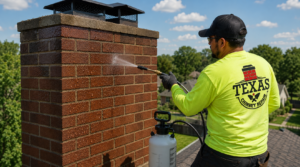
Chimney Waterproofing
Waterproofing dramatically extends chimney life by preventing water absorption that causes freeze-thaw damage.
Learn more: Chimney Waterproofing →

Masonry Repair Services
Beyond chimney-specific work, we provide complete masonry repair services for all brick and stone structures.
Learn more: Masonry Repair Services →
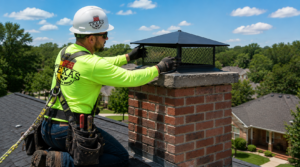
Chimney Cap Installation
A quality chimney cap is one of the best investments you can make in chimney protection.
Learn more: Chimney Cap Installation →
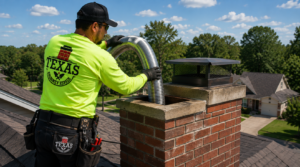
Chimney Liner Installation & Repair
A properly functioning chimney liner is essential for safe operation. We install and repair all liner types.
Learn more: Chimney Liner Services →

Gas Fireplace Services
Gas fireplaces require professional maintenance and repair just like wood-burning systems.
Learn more: Gas Fireplace Services →
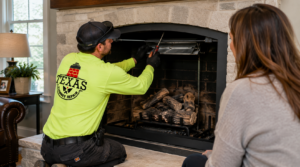
Chimney Damper Repair & Replacement
A properly functioning damper is essential for fireplace efficiency and home comfort.
Learn more: Damper Repair Services →

Chimney Animal Removal
Animals frequently nest in chimneys, creating blockages, odors, fire hazards, and noise problems.
Learn more: Animal Removal Services →
OUR EAST TEXAS SERVICE AREA
—
Texas Chimney Repair proudly serves homeowners throughout East Texas. We’re locally based, locally owned, and deeply familiar with the unique chimney challenges our region presents.
Primary Service Cities
Marshall, TX
Home to historic Victorian homes and newer subdivisions, Marshall presents diverse chimney needs from historic preservation to modern fireplace installation. We’ve worked on countless chimneys throughout Marshall’s neighborhoods, from downtown historic homes to lakefront properties on Caddo Lake.
Longview, TX
East Texas’s largest city, Longview features everything from mid-century ranch homes to new construction. We provide complete chimney services throughout Longview and surrounding communities including Judson, Pine Tree, and Spring Hill areas.
Jefferson, TX
Jefferson’s beautiful historic homes require specialized chimney care and restoration. We understand the unique needs of historic masonry and work carefully to preserve the character of these treasured properties while ensuring modern safety standards.
Kilgore, TX
From the city’s historic oil boom-era homes to modern construction, we’ve served Kilgore homeowners for years with reliable chimney repair, sweep, and installation services.
Karnack, TX
Karnack’s lakefront homes on Caddo Lake face intense humidity and moisture challenges. We specialize in waterproofing and leak repair for these beautiful but moisture-exposed properties.
Additional Communities We Serve
Scottsville
Uncertain
Harleton
Elysian Fields
Diana
Ore City
Avinger
Hughes Springs
Daingerfield
Lodi
Jonesville
Counties We Serve
Harrison County
Our home base, we’ve worked on chimneys throughout every corner of Harrison County from rural ranch properties to in-town homes.
Marion County
Including Jefferson and the beautiful areas around Lake O’ the Pines, we provide complete chimney services throughout Marion County.
Gregg County
Serving Longview and all surrounding Gregg County communities with expert chimney care.
Panola County
Chimney repair and service throughout Panola County’s rural and residential areas.
Upshur County
Providing professional chimney services to Upshur County homeowners.
Cass County
Complete chimney repair, sweep, and installation services throughout Cass County.
Morris County
Serving Morris County with reliable, professional chimney care.
Camp County
Expert chimney services throughout Camp County communities.
Western Rusk County
Chimney repair and maintenance for western Rusk County properties.
BEFORE & AFTER: REAL EAST TEXAS CHIMNEY PROJECTS
—
Here are examples of recent chimney projects we’ve completed throughout our service area:
OUR PROVEN 4-STEP CHIMNEY REPAIR PROCESS
—
At Texas Chimney Repair, we believe in transparency, clear communication, and quality workmanship. Here’s exactly what to expect when you work with us:
STEP 1: SCHEDULE YOUR INSPECTION
Fast, easy scheduling:
- Call us at (903) 555-1234
- Request inspection online
- We’ll schedule at your convenience
- Same-week appointments typically available
- Emergency service for urgent problems
What to expect:
- Friendly, professional phone service
- Clear explanation of what inspection includes
- Transparent pricing
- Confirmation of appointment
- Reminders before we arrive
STEP 2: THOROUGH PROFESSIONAL INSPECTION
When we arrive:
- On-time arrival (we’ll call if running late)
- Clearly marked vehicles
- Professional appearance
- Respect for your home and property
Our inspection process:
- Introduction and discussion of your concerns
- Complete chimney examination (interior and exterior)
- Photos and video documentation
- Check all components: crown, flashing, masonry, flue, damper, firebox
- Identification of all issues (not just what you called about)
- Assessment of safety concerns
- Honest evaluation of repair needs
CSIA-trained technicians: Our inspectors have professional training and experience to identify problems others miss.
What you receive:
- Detailed verbal explanation of findings
- Photos showing what we found
- Written inspection report
- Clear prioritization: immediate safety concerns vs. future maintenance
No pressure, just facts: We’ll explain what’s wrong, what it means, and what should be done—but we never pressure you into unnecessary work.
STEP 3: WRITTEN ESTIMATE & YOUR APPROVAL
Our estimates include:
- Detailed description of all recommended work
- Explanation of why each repair is needed
- Itemized pricing for materials and labor
- Timeline for completion
- Warranty information
- Options for different repair approaches when applicable
Transparent pricing:
- No hidden fees
- No surprise charges
- Clear payment terms
- Written guarantee of price
Your decision:
- Take time to review estimate
- Ask any questions
- Compare with other options if you wish
- Proceed when you’re ready
Financing available: We offer financing options for larger projects.
What happens next:
- Once you approve, we schedule your repair
- We’ll confirm timeline and start date
- Communicate clearly about what to expect
- Answer any remaining questions
STEP 4: EXPERT REPAIR & COMPLETE SATISFACTION
Before we start:
- Arrive on time as scheduled
- Protect your home, landscaping, and property
- Set up equipment and materials
- Review work plan with you
During repairs:
- Skilled craftsmanship using proven techniques
- Quality materials designed for long-term performance
- Attention to detail
- Clean, organized work site
- Respect for your home and schedule
Communication:
- Keep you informed of progress
- Alert you immediately if we discover additional issues
- Explain any changes before proceeding
- Available to answer questions anytime
Quality control:
- Work performed to or exceeding industry standards
- NFPA code compliance
- Careful inspection of completed work
- Testing when appropriate (draft, water resistance, operation)
Complete cleanup:
- Thorough cleanup of all work areas
- Removal of all debris and materials
- Your home left as clean as we found it
- Final walk-through with you
Final inspection with you:
- Show you completed work
- Explain what was done
- Provide maintenance recommendations
- Answer any questions
- Provide written warranty
- Leave detailed invoice
After service:
- Follow-up to ensure satisfaction
- Available for any questions or concerns
- Scheduled maintenance reminders if desired
- Long-term support if any issues arise
WHAT OUR CUSTOMERS SAY
—
Don’t just take our word for it—here’s what East Texas homeowners say about Texas Chimney Repair:
FREQUENTLY ASKED QUESTIONS ABOUT CHIMNEY REPAIR & MAINTENANCE
—
How often should a chimney be inspected?
The Chimney Safety Institute of America (CSIA) and National Fire Protection Association (NFPA) recommend annual chimney inspections for all chimneys, regardless of fuel type or frequency of use.
Why annual inspections matter:
- Catch small problems before they become expensive
- Identify safety hazards (cracks, blockages, creosote buildup)
- Verify proper operation
- Required by many homeowner insurance policies
- Peace of mind
When you should schedule additional inspections:
- After purchasing a home
- Before selling a home
- After severe weather (storms, lightning strikes)
- After a chimney fire
- When converting fuel types
- After any changes to heating system
- If you notice problems (leaks, smoke, odors)
Annual inspections typically take 30-45 minutes and cost far less than emergency repairs from undetected problems.
How much does chimney repair cost in East Texas?
Chimney repair costs vary significantly depending on the type and extent of damage. Here are typical price ranges:
Minor repairs:
- Chimney sweep/cleaning: $150-$300
- Chimney cap installation: $200-$500
- Damper repair: $150-$400
- Minor tuckpointing: $300-$800
Moderate repairs:
- Chimney crown repair: $600-$1,500
- Flashing replacement: $800-$1,800
- Significant tuckpointing: $1,000-$3,000
- Flue liner repair: $1,500-$4,000
Major repairs:
- Chimney waterproofing (full): $1,000-$2,500
- Chimney rebuild (above roofline): $4,000-$10,000
- Full chimney rebuild: $8,000-$20,000+
- Complex masonry restoration: $5,000-$15,000+
Factors affecting cost:
- Extent of damage
- Chimney height and accessibility
- Materials required
- Labor complexity
- Location
Our approach: We provide detailed written estimates before any work begins—no surprises, no hidden fees.
Financing available for larger projects to make necessary repairs affordable.
What causes chimney leaks?
Chimney leaks are the most common chimney problem in East Texas. Multiple factors can allow water entry:
Damaged chimney crown: The concrete cap at the top of your chimney. When it cracks, water pours directly into the chimney structure. This is the #1 cause of chimney leaks.
Failed flashing: The metal seal where your chimney meets the roof. Improperly installed or deteriorated flashing allows water to run down into your home.
Missing chimney cap: Without a cap, rain flows directly down the flue, causing rust, deterioration, and water damage.
Porous masonry: Unsealed brick and mortar absorb water like a sponge, allowing moisture to penetrate deep into the structure.
Cracked flue liner: Allows water that enters the flue to leak into the chimney structure.
Condensation: Temperature differences can cause moisture to condense inside the chimney, mimicking a leak.
Prevention: Most chimney leaks are completely preventable with proper crown construction, quality flashing installation, chimney caps, and masonry waterproofing.
If you have a leak: Address it immediately. Every rainstorm causes more damage, and water damage accelerates quickly.
Is chimney waterproofing worth it?
Absolutely—especially in East Texas’s humid climate.
Benefits of professional chimney waterproofing:
Prevents spalling brick: Water absorption and freeze-thaw cycles cause brick faces to flake and crumble. Waterproofing blocks water absorption while allowing the masonry to breathe.
Extends chimney life dramatically: Properly waterproofed chimneys last decades longer than unsealed chimneys in our climate.
Prevents costly repairs: The cost of waterproofing ($1,000-$2,500 for full chimney) is far less than repairing extensive spalling or rebuilding deteriorated chimneys ($4,000-$20,000+).
Reduces mold and mildew: Water absorption promotes mold growth inside chimney structures and adjacent walls.
Improves energy efficiency: Dry masonry provides better insulation than wet, saturated masonry.
Important: Professional chimney waterproofing uses vapor-permeable sealers specifically designed for chimneys—NOT concrete sealers or paints that trap moisture inside. Proper products allow masonry to “breathe” while repelling water.
When to waterproof:
- After completing chimney repairs
- Proactively on older chimneys
- Every 5-10 years as maintenance
- When you notice water absorption issues
ROI: Chimney waterproofing is one of the best investments in chimney longevity and home protection.
Do I really need a chimney cap?
Yes—a chimney cap is one of the most important and cost-effective chimney components.
What chimney caps do:
Keep rain out: The #1 function. Rain entering your flue causes rust, deterioration, water damage, and masonry problems.
Prevent animal entry: Birds, squirrels, raccoons, and bats commonly nest in uncapped chimneys, creating blockages, fire hazards, odors, and noise.
Stop downdrafts: Caps reduce wind-driven downdrafts that blow smoke and cold air into your home.
Contain sparks: Prevent sparks and embers from escaping and potentially igniting roof or nearby vegetation.
Reduce debris: Keep leaves, twigs, and other debris from accumulating in your flue.
Extend chimney life: By keeping water out, caps dramatically extend chimney life.
Cost vs. value: A quality chimney cap costs $200-$500 installed. Without one, you risk thousands in water damage, animal removal costs, and chimney repairs.
Types:
- Single-flue caps (most common)
- Multi-flue caps
- Top-sealing dampers (cap and damper combination)
- Custom caps for unique chimneys
Important: Not all caps are equal. Big-box store caps often rust quickly and don’t fit properly. Professional installation with quality materials ensures proper fit, secure mounting, and long life.
What are the signs of a dangerous chimney?
Certain warning signs indicate immediate safety concerns requiring professional inspection:
Fire hazards:
- Heavy creosote buildup (shiny black coating inside flue)
- Cracked or damaged flue liner
- Smoke or flames coming from chimney exterior
- Previous chimney fire evidence
Carbon monoxide risks:
- Smoke backing up into room when fireplace operates
- Soot falling into firebox
- Unusual odors when heating system runs
- Headaches or flu-like symptoms that improve when leaving home
Structural concerns:
- Chimney leaning or pulling away from house
- Large cracks in chimney structure
- Missing or loose bricks
- Chimney settlement
Water damage:
- Active leaks during rain
- Water stains on ceiling or walls near chimney
- Rust on damper or firebox
- Musty odors from fireplace
Blockages:
- Animal sounds inside chimney
- Visible nests or debris
- Difficulty getting fires started
- Poor draft
If you notice any of these signs: Stop using your chimney immediately and schedule a professional inspection. These conditions create serious risks of fire, carbon monoxide poisoning, or structural damage.
When in doubt, call us: We provide emergency inspection services when safety is a concern.
How long does chimney repair take?
Timeline varies based on repair complexity:
Same day:
- Chimney inspections (30 minutes – 2 hours)
- Minor damper adjustments
- Chimney cap installation (1-2 hours)
1-2 days:
- Chimney sweeping and cleaning
- Minor tuckpointing
- Flashing repairs
- Crown repairs (plus curing time)
- Damper replacement
2-4 days:
- Significant tuckpointing projects
- Flue liner installation
- Moderate masonry repairs
- Multiple combined repairs
3-7 days:
- Chimney rebuilds (above roofline)
- Extensive masonry restoration
- Major structural repairs
1-2 weeks:
- Complete chimney rebuilds from foundation
- Complex historic restoration projects
- Large-scale repairs requiring permits or structural work
Factors affecting timeline:
- Weather (masonry work requires appropriate temperatures)
- Material curing times
- Repair complexity
- Material availability
- Permit requirements
We’ll provide accurate timelines during the estimate process and keep you informed throughout the project.
Can I repair my chimney myself?
We understand the appeal of DIY repairs—but chimneys are complex structures where improper repairs create serious safety hazards.
Why professional chimney repair matters:
Safety: Chimney problems involve fire risks, carbon monoxide hazards, and structural concerns. Mistakes can have life-threatening consequences.
Specialized knowledge: Proper chimney repair requires understanding of masonry techniques, chimney physics, building codes, fire safety standards, and material science.
Proper materials: Chimney repairs require specific materials (mortar types, flashing materials, sealers) that differ from standard construction materials.
Tools and equipment: Safe chimney work requires specialized tools, safety equipment, and often scaffolding or lift equipment.
Code compliance: Chimney repairs must meet NFPA standards and local building codes. Improper repairs can affect insurance coverage and home sale.
Long-term results: Professional repairs done correctly last for decades. DIY repairs often fail quickly, causing more damage and higher eventual costs.
What you can do:
- Basic cleaning around fireplace
- Operating damper and cleaning glass doors
- Monitoring for problems
- Scheduling regular professional maintenance
What requires professional service:
- Any structural repairs
- Flashing work
- Crown repairs
- Masonry work
- Liner installation or repair
- Anything involving getting on the roof
Bottom line: Chimney repairs are not a good DIY project. The risks outweigh any short-term savings, and failed DIY repairs often cost more to fix than doing it right the first time.
How often should chimneys be cleaned?
Cleaning frequency depends on chimney use and fuel type:
Wood-burning fireplaces:
- Annual cleaning at minimum
- After burning 1-2 cords of wood (whichever comes first)
- When creosote reaches 1/8″ thickness (visible during inspection)
Gas fireplaces:
- Every 2-3 years even with light use (to remove debris and check for problems)
- Annually if used frequently
Oil furnaces:
- Annually (oil produces more soot than gas)
Pellet stoves:
- Annually or after burning 2-3 tons of pellets
Rarely used chimneys:
- Every 2-3 years to check for animal nests, debris, and deterioration
Why regular sweeping matters:
Prevents chimney fires: Creosote is highly flammable. When it builds up and ignites, chimney fires can reach 2,000°F—hot enough to crack liners, damage masonry, and spread to your home.
Maintains efficiency: Creosote buildup restricts airflow, reducing fireplace efficiency and increasing smoke problems.
Identifies problems early: Regular sweeps include inspection, catching cracks, deterioration, and other issues before they become expensive.
Removes blockages: Animal nests, leaves, and other debris are discovered and removed.
Insurance compliance: Many homeowner policies require regular chimney maintenance.
Our recommendation: Schedule annual sweeps before burning season (late summer/early fall) so your chimney is ready for winter use.
Do you work on lake homes and waterfront properties?
Absolutely! We have extensive experience with lakefront properties throughout East Texas, including:
- Caddo Lake homes
- Lake O’ the Pines properties
- Other waterfront locations
Why lakefront chimneys need special attention:
Homes near water face even more extreme humidity and moisture exposure than other East Texas properties. This accelerates chimney deterioration, increases spalling risk, and makes waterproofing even more critical.
Our lakefront expertise:
Moisture management: We understand how constant humidity affects masonry and take extra steps to protect chimneys through waterproofing and proper drainage.
Access solutions: Many lakefront properties have challenging access. We have equipment and experience to safely complete chimney work even in difficult locations.
Seasonal considerations: We can work with your schedule whether you use your lake home year-round or seasonally.
Quick response: We serve lake communities throughout our service area with the same fast, professional service as in-town locations.
Common lakefront chimney issues we address:
- Accelerated spalling from humidity
- Water intrusion and leaks
- Mold and mildew problems
- Foundation settlement (common near water)
- Animal nesting (lake environments attract birds and wildlife)
If you own lakefront property in East Texas, we understand your unique chimney challenges and have proven solutions.
Can you help with insurance claims for chimney damage?
Yes! We regularly work with homeowners navigating insurance claims for storm damage, lightning strikes, and other covered chimney problems.
How we help:
Documentation: We provide detailed photo documentation, written assessments, and itemized estimates your insurance company needs to process claims.
Professional communication: We’ll work directly with your insurance adjuster to explain damage, necessary repairs, and code requirements.
Accurate estimates: Our detailed estimates break down materials and labor, meeting insurance company requirements.
Code compliance: All repairs meet or exceed building codes and NFPA standards, satisfying insurance requirements.
Timely repairs: We understand the importance of completing repairs quickly to prevent further damage and get you back to normal.
Common insurable chimney damage:
- Storm damage (wind, hail)
- Lightning strikes
- Fallen trees or limbs
- Sudden structural failure
- Fire damage
Important: Not all chimney damage is covered by insurance. Normal wear and tear, age-related deterioration, and lack of maintenance typically aren’t covered. We’ll help you understand what may be covered and work with you on any non-covered repairs.
Process:
- Contact your insurance company to file claim
- Schedule inspection with Texas Chimney Repair
- We document damage and provide estimate
- Submit documentation to insurance company
- Work with adjuster as needed
- Complete approved repairs
- Provide final documentation for claim closure
We’re here to make the insurance process as smooth as possible while ensuring your chimney is properly repaired.
What's the difference between tuckpointing and repointing?
These terms are often used interchangeably—and in modern practice, they refer to the same process: removing damaged mortar and replacing it with fresh mortar.
Historical distinction:
- Repointing: Removing and replacing mortar joints
- Tuckpointing: A decorative technique using two colors of mortar to create fine lines for appearance
Modern usage: Both terms now generally mean mortar joint repair.
Our tuckpointing/repointing process:
- Grind out damaged mortar to proper depth (typically ¾” to 1″)
- Clean joints thoroughly
- Mix mortar to appropriate strength and composition for your chimney
- Apply new mortar in layers
- Tool joints to match original appearance
- Allow proper curing
Why mortar replacement matters:
Mortar deteriorates faster than brick. When mortar fails:
- Water enters chimney structure
- Bricks become loose
- Structural integrity decreases
- Damage accelerates
Proper tuckpointing:
- Restores structural integrity
- Prevents water intrusion
- Extends chimney life
- Improves appearance
The right mortar matters: Modern mortars are often too hard for older chimneys. We match mortar type and strength to your chimney’s original construction to prevent future damage.
Are your technicians certified?
Yes! Our technicians receive ongoing training and follow industry best practices.
Our certifications and training:
CSIA (Chimney Safety Institute of America): Our team includes CSIA-trained technicians who understand proper inspection protocols, safety standards, and repair techniques.
NFPA 211 Standards: All work complies with National Fire Protection Association standards for chimney safety.
Continuing education: We stay current with industry developments, new materials, and evolving best practices through ongoing training.
Insurance and licensing: We’re fully licensed and insured, meeting Texas requirements for contractor services.
Why professional training matters:
Chimneys are complex systems involving fire safety, structural engineering, masonry craftsmanship, and building science. Proper training ensures:
- Accurate problem identification
- Safe, effective repairs
- Code-compliant work
- Long-lasting results
- Your family’s safety
Our commitment: We invest in training and certification because your safety and satisfaction depend on knowledgeable, skilled technicians.
Do you offer emergency chimney services?
Yes! We provide emergency chimney services for urgent problems that threaten your home or safety.
What qualifies as a chimney emergency:
Active leaks causing interior damage: Water pouring into your home during storms
Fire hazards: Visible cracks, smoke problems, or recent chimney fires
Structural concerns: Chimney leaning, major cracks, or collapse risk
Carbon monoxide risks: Smoke backing up into home or heating system problems
Animal intrusion: Animals entering living space through chimney
Storm damage: Immediate damage requiring protection from weather
Our emergency response:
Fast scheduling: We’ll schedule emergency service as quickly as possible, often same-day for serious situations.
Immediate protection: We can provide temporary measures to prevent further damage while scheduling permanent repairs.
Professional assessment: Quick but thorough evaluation of safety concerns and necessary repairs.
Clear communication: We’ll explain the situation, immediate needs, and recommended repairs.
To request emergency service: Call (903) 555-1234 and explain your situation. We’ll prioritize based on safety concerns and schedule accordingly.
What areas of East Texas do you serve?
We provide complete chimney services throughout East Texas, including:
Primary cities:
- Marshall
- Longview
- Jefferson
- Kilgore
- Karnack
- Hallsville
- Waskom
Counties:
- Harrison County
- Marion County
- Gregg County
- Panola County
- Upshur County
- Cass County
- Morris County
- Camp County
- Western Rusk County
Special areas:
- Caddo Lake communities
- Lake O’ the Pines properties
- Rural East Texas locations
Service radius: We serve a 50+ mile radius from our Marshall base, covering most of East Texas.
Why choose a local company:
- Fast response and scheduling
- Understanding of local construction and climate
- Investment in community reputation
- No long travel fees
- Familiar with local contractors and suppliers
If you’re unsure whether we serve your area: Call us! We’re often able to accommodate locations throughout East Texas.
EXPERIENCE, EXPERTISE, AUTHORITY & TRUST: WHY CHIMNEY REPAIR IN EAST TEXAS STANDS APART
—
When you choose a chimney company, you’re trusting them with your home’s safety, your family’s well-being, and a significant investment. Here’s why East Texas homeowners trust Texas Chimney Repair:
EXPERIENCE: Over a Decade Serving East Texas
Since 2010, we’ve been protecting East Texas homes with professional chimney services. In that time:
Thousands of chimneys repaired: We’ve worked on every type of chimney problem imaginable—from simple sweeps to complete rebuilds, historic restorations to new installations.
Every East Texas community: From Marshall to Longview, Jefferson to Kilgore, and lakefront properties to rural ranch homes—we’ve served homeowners throughout our region.
All home types and ages: Historic Victorian homes, mid-century ranches, modern construction, lakefront properties, rural homes—we understand the unique characteristics of each.
Real-world problem solving: Experience means we’ve encountered and successfully solved complex chimney problems that less experienced companies haven’t seen.
Proven track record: Our longevity speaks to consistent quality, fair pricing, and customer satisfaction. Fly-by-night companies don’t last in this business—trust does.
EXPERTISE: Specialized Knowledge & Professional Training
Chimney work requires specialized knowledge that goes far beyond general construction:
CSIA Training: Our technicians receive training from the Chimney Safety Institute of America, the gold standard for chimney professionals.
Masonry expertise: Chimney masonry requires specific skills distinct from general bricklaying. We understand historic lime mortars, modern portland cement mixes, proper brick bonding, and structural considerations unique to chimneys.
Building science: We understand how chimneys work—draft physics, combustion principles, moisture dynamics, and thermal behavior.
Code knowledge: All work complies with NFPA 211 fire safety standards, Texas building codes, and manufacturer specifications.
Material science: We know which products work in East Texas’s climate and which fail. We use proven materials specifically designed for chimney applications.
Problem diagnosis: Experience and training allow us to accurately diagnose complex problems—not just treat symptoms but identify and fix root causes.
Continuing education: We stay current with industry developments, new materials, evolving codes, and best practices through ongoing education.
AUTHORITY: Industry Recognition & Standards Compliance
NFPA 211 Compliance: All inspections and repairs follow National Fire Protection Association standards—the nationally recognized code for chimney safety.
CSIA Standards: Our work aligns with Chimney Safety Institute of America best practices and recommendations.
Licensed & Insured: We maintain all required licensing and comprehensive insurance to protect you and your property.
Manufacturer Certified: For specific products (liners, caps, etc.), we’re trained and certified in proper installation.
Professional Affiliations: We’re connected with industry organizations that provide ongoing education, technical support, and quality standards.
Code Officials Recognition: Local building inspectors know our work meets or exceeds code requirements.
Industry Relationships: Long-standing relationships with quality material suppliers ensure we have access to the best products and latest innovations.
TRUST: Built on Honesty, Transparency & Results
Honest assessments: We don’t recommend work you don’t need. If your chimney just needs minor repairs, we’ll tell you—even if it means less revenue for us. Our reputation is worth more than any single sale.
Transparent pricing: Written estimates with clear descriptions of work, itemized pricing, and no hidden fees. The price we quote is the price you pay.
Clear communication: We explain problems in plain language, show you what we found, and help you understand your options. No jargon, no pressure, just facts.
Quality workmanship: We don’t cut corners or use inferior materials. Every repair is done correctly using proven methods and quality materials designed to last.
Written warranties: We stand behind our work with clear written warranties.
Respectful service: We respect your home, your time, and your investment. Professional appearance, on-time arrival, complete cleanup, and courteous service are standard.
Long-term relationships: We’re not looking for one-time transactions—we want to be your chimney company for life. That means earning and keeping your trust with every interaction.
Community reputation: We live and work in East Texas. Our reputation in this community matters deeply. The people we serve are our neighbors, and we treat them accordingly.
Proven results: Thousands of satisfied customers, five-star reviews, and referrals from past clients, Realtors, and other professionals demonstrate the trust we’ve built.
Accountability: If something isn’t right, we make it right. No excuses, no runaround—just solutions.
PROTECT YOUR EAST TEXAS HOME: SCHEDULE YOUR CHIMNEY INSPECTION TODAY
—
Your chimney protects your family from dangerous smoke, heat, and carbon monoxide—but only if it’s properly maintained and in good repair.
Don’t wait for problems to become emergencies. Chimney leaks, fire hazards, and structural damage don’t improve on their own—they get worse, more dangerous, and more expensive the longer they’re ignored.
Take Action Now:
☎️ Call (903) 501 3030
Talk to a chimney expert today. We’ll answer your questions, schedule your inspection, and provide the information you need to make informed decisions about your chimney.
📋 Request Your Free Inspection
Schedule Online →
Fill out our simple form and we’ll contact you to schedule your professional chimney inspection at your convenience.
What You Get:
✅ Honest, Professional Assessment
CSIA-trained technicians who identify all issues—not just what you called about.
✅ Written Inspection Report with Photos
Clear documentation of your chimney’s condition with visual evidence.
✅ Detailed Written Estimate
Transparent pricing with no hidden fees or surprise charges.
✅ Expert Recommendations
We’ll explain what needs immediate attention and what can wait, helping you prioritize based on safety and budget.
✅ Same-Week Appointments
Fast scheduling so you get answers and solutions quickly.
✅ Emergency Service Available
When safety is at risk, we respond quickly.
Why Schedule Now:
🔥 Fire Safety: Chimney problems create serious fire and carbon monoxide risks. Professional inspection identifies hazards before they threaten your family.
💧 Water Damage Prevention: East Texas weather is hard on chimneys. Every rainstorm that passes with an unrepaired leak causes more damage to your home’s structure, walls, ceilings, and masonry.
💰 Save Money: Small problems caught early cost hundreds to fix. The same problems ignored become thousands-of-dollars repairs or complete rebuilds. Prevention and early intervention save significant money.
🏠 Protect Your Investment: Your home is likely your largest investment. A properly maintained chimney protects your home’s value and prevents costly damage.
😌 Peace of Mind: Know your chimney is safe, properly maintained, and ready to use without worry.
Our Promise:
When you choose Texas Chimney Repair, you’re choosing:
✓ Honest assessments without pressure or upselling
✓ Expert craftsmanship from experienced, trained technicians
✓ Quality materials designed for East Texas’s climate
✓ Professional service with respect for your home and schedule
✓ Transparent pricing with written estimates and warranties
✓ Long-term solutions that fix problems correctly the first time
✓ Local expertise from your East Texas neighbors who care about our community reputation
Don’t Let Chimney Problems Put Your Home and Family at Risk
—
☎️ Call Now: (903) 501 3030
📅 Schedule Your Inspection Online →
🏆 Texas Chimney Repair: East Texas’s Most Trusted Chimney Company
Professional chimney repair, inspection, sweep, and installation services you can trust. Honest answers. Expert solutions. Your neighbors since 2010.